Lauren's Story of Hope
By: Kevin Raineri
Lauren Tanis Raineri was my wife and best friend. She was born April 7, 1983, and died October 29, 2020, at 37 years old.
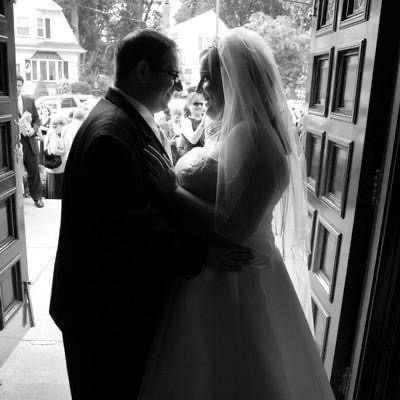
We were married in 2007 and have one daughter, Quinn.
Lauren was one of those people you knew had walked into the room. You felt her energy. She had this huge smile that was somehow part joy and part mischief, and this cackle-giggle laugh that was completely unmistakable and contagious. She loved her people fiercely. Friends and family, if Lauren loved you, she was in your corner. She wanted to know what she could do, how she could help, what she could fix. She loved shopping—purses and shoes especially. She loved people-watching and had an incredible ability to notice the odd or ridiculous thing happening around her and crack herself up over it. She was sharp and funny and brought this kind of whimsy to ordinary life.
And then there was Lauren as a mother.
Quinn was at the center of her world. Lauren was her fiercest advocate, biggest fan, and protector. Watching the way she loved our daughter was something I had never experienced before.
As my wife, she loved me deeply, although I used to joke that she had absolutely no patience for me—which wasn’t entirely a joke.
She challenged me when I needed to be challenged. She knew me in ways I didn’t always know myself, and there are things about myself that I am still understanding because she saw them first. She also had this instinct to look out for anything that needed looking after. She was forever finding lost animals and bringing them home while she tried to figure out where they belonged.
That’s Lauren to me.
Not perfect. Not some saint created because she died.
Funny, stubborn, generous, mischievous, protective, occasionally impatient, deeply loving and very, very alive.
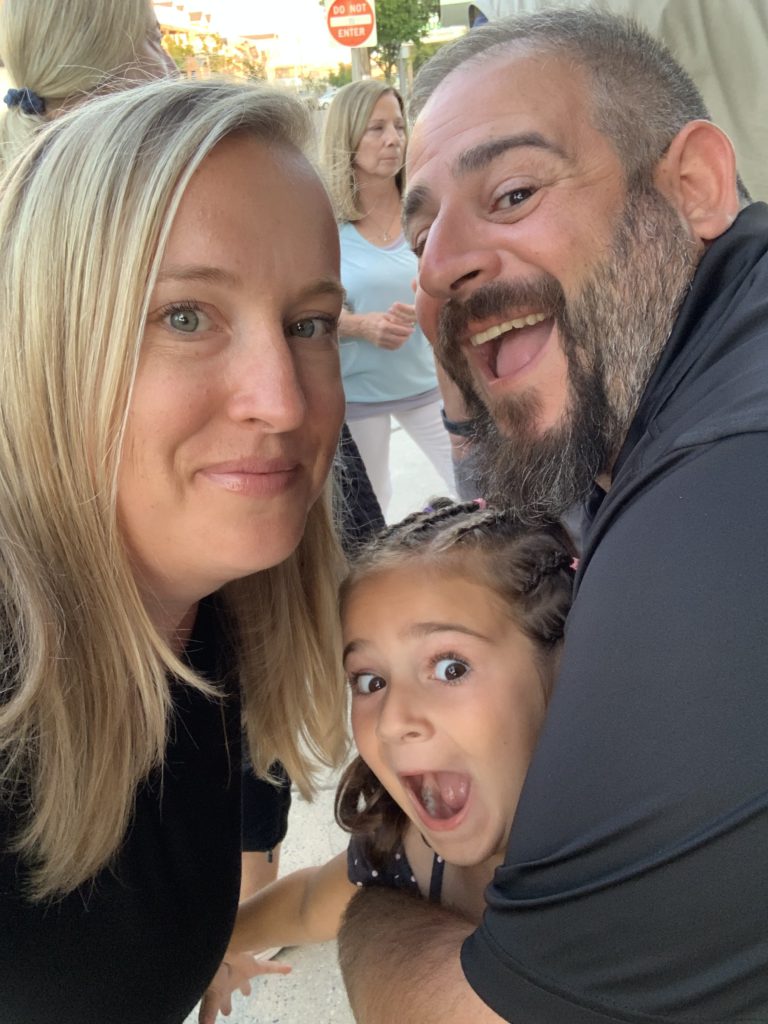
Lauren had an AVM—an arteriovenous malformation—that was completely undiagnosed and unknown to us. She suddenly suffered a hemorrhage, and eventually there were no medical options left.
That was when NJ Sharing Network became involved.
When the conversation turned to organ and tissue donation, though, there really wasn’t a question about what Lauren would want. Lauren had been a fierce believer in organ donation for as long as I knew her. She talked about it. She believed people should register.
Because of that, when NJ Sharing Network came to us, we weren’t trying to guess what she would have wanted. She had already told us. This was her decision. The NJ Sharing Network team was wonderful to us during an unimaginably difficult process. From there, the work became finding the people Lauren could help and making sure the decision she had already made could be honored.
Ultimately, Lauren’s organs saved five lives, and her tissue donation allowed her gifts to help many others as well. We received some anonymous information about the people who received Lauren’s organs.
Her heart was transplanted into a 21-year-old woman.
Her lungs went to a 60-year-old woman.
Her liver went to a 46-year-old woman.
Her right kidney went to a 52-year-old woman.
Her left kidney went to a 69-year-old woman.
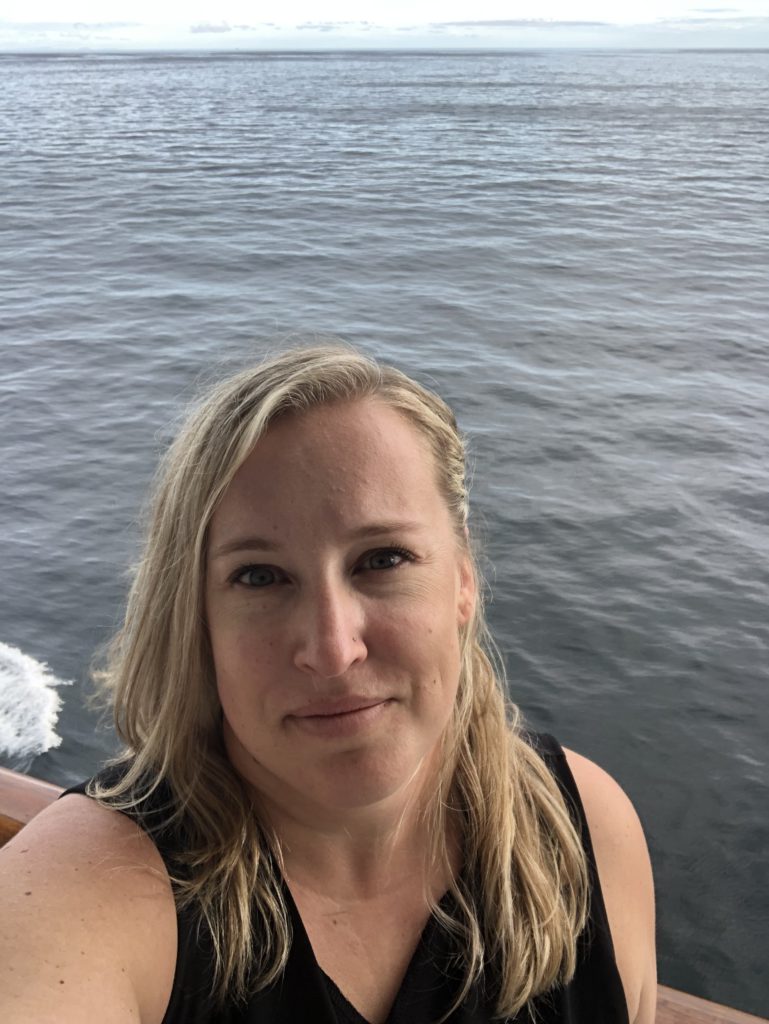
Lauren’s gift of donation makes me feel “melancholy joy.”
On what was the worst day of my life, five other people and their families were given something extraordinary: more life.
Those two truths have taken me almost six years to learn how to hold at the same time.
I am incredibly proud of Lauren and deeply grateful that her decision gave five people the chance to go home to their families, have more birthdays, more dinners, more ordinary days—more life. Her tissue donation allowed her to help many others as well.
At the same time, none of that makes me grateful for the reason those gifts became possible. I would still give anything for Lauren to be here. That’s the contradiction I’ve learned to live with. Something genuinely beautiful came from the most painful day of my life, but the beauty doesn’t erase the pain, and the pain doesn’t make what Lauren gave any less extraordinary.
Maybe that’s what melancholy joy means to me.
Lauren’s death was not a blessing, but what she chose to give was.
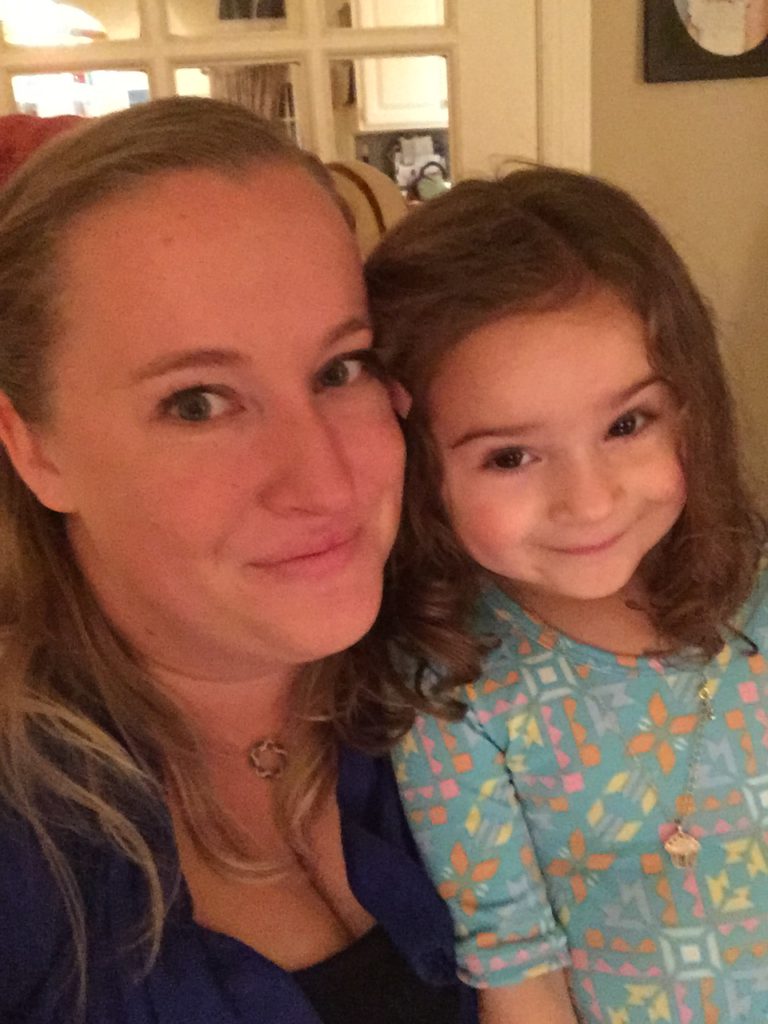
Quinn and I talk about Lauren all the time.
If something reminds us of her, we say it. We tell the story. If Quinn makes a certain face that is unmistakably a Mommy face, I’ll tell her. A song comes on, something happens, somebody says something Lauren would have said—we don’t avoid it. I’ve noticed since Lauren died that people can sometimes become afraid to say the name of someone who died because they worry they’re going to upset you.
Lauren’s name is not a bad word. We say her name. Happily.
Lauren chose to be cremated, and we have a small memorial shelf at home with a beautiful picture of her. It isn’t something we sit around and pray to. She’s just there. Part of our home.
But honestly, Lauren lives much more in the things that aren’t on that shelf.
She’s in the stories Quinn and I tell. She’s in the music she loved that I’ve shared with Quinn, and now watching Quinn discover and fall in love with some of that same music herself. She’s in expressions Quinn makes and little things she does that stop me because, for a second, I can see her mother. She’s even in things I do now that I never used to do. Lauren was constantly trying to help lost animals get home. Now if I see a stray animal with a collar, I stop and look.
That’s a Lauren thing that somehow became a Kevin thing.
Organ donation is part of that too. I’m a registered donor because of Lauren, and I’m not shy about telling people why. If the subject comes up, I tell them what Lauren’s decision made possible and encourage them to register themselves.
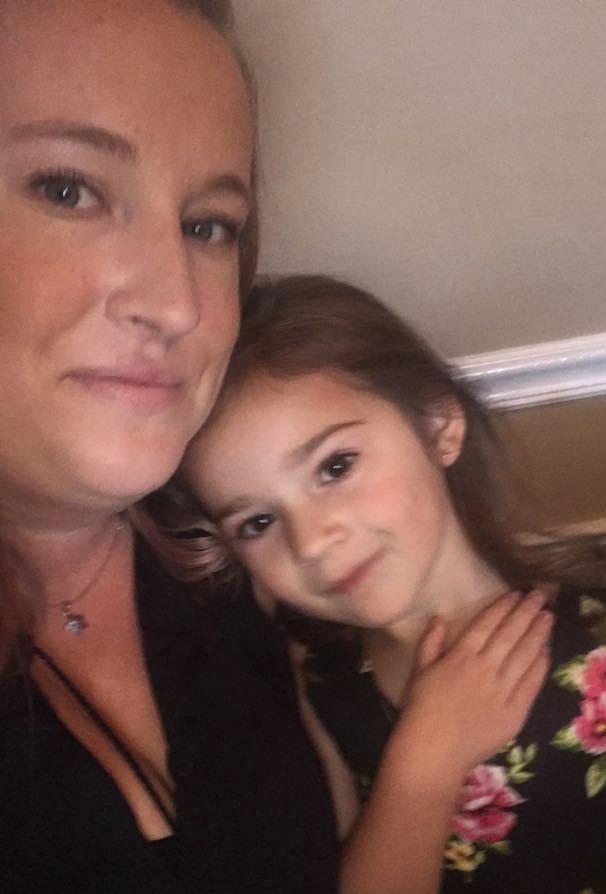
Maybe the biggest way I can honor her now isn’t really about memorializing her at all.
It’s trying to live well.
Not pretending everything is good because it isn’t. Not trying to prove that I’ve “moved on.” But continuing to become the best version of myself I can, finding real happiness when it’s there, and showing Quinn that a life can contain enormous loss and still be fully lived.
Most of all, it’s continuing to be her dad. Supporting her, loving her, and helping her become whoever she is going to become.
Lauren doesn’t only live in what we remember. She is still present in some of the ways we live.
Lauren’s donation was extraordinary, but I never want the way she died—or even the lives she saved—to become the whole story of who she was.
She was here first.
She was a wife, a mother, a daughter, a friend. She laughed loudly, sang terribly, loved her people fiercely, got annoyed, bought too many purses, watched terrible television, rescued lost animals and made ordinary days feel like ours.
That life is what made the gift possible.
—Kevin Raineri, husband of organ and tissue donor Lauren Tanis Raineri