Types of Donation
A Lifesaving Gift
Donation is an act of compassion and generosity. For families, it can bring comfort in knowing that something good has come from a tragic loss. For those who choose to register as donors, it is a personal decision rooted in the desire to help others and make a lasting difference.
Donation can happen in different ways depending on a person’s circumstances, and understanding these pathways can help bring clarity during an emotional time.

Deceased Organ Donation
There are two pathways to deceased organ donation, Brain Death (BD) and Donation After Circulatory Death (DCD).
Tissue Donation
Tissue donation may occur after death and can provide healing and hope to others. It is often possible even when organ donation is not.
Living Donation
Living donation is made possible by selfless individuals who offer a kidney or part of a liver to someone in need of a transplant.
Deceased Organ Donation
Donation After Brain Death
Brain death happens after a severe and irreversible injury to the brain, when all brain and brainstem function permanently stops. This means that there is absolutely no brain activity and that brain activity will not return. At this point, the person is incapable of surviving without mechanical support. It is legally and medically recognized as death and is different from a coma, where some brain activity may still be present.
This determination is made by healthcare providers who are not part of the donation or transplant process. They perform careful, thorough testing and follow established criteria to determine if someone is brain dead.
Only after death is declared can organ donation occur. We know this is an incredibly difficult and overwhelming time. NJ Sharing Network is here to support families with compassion, honesty, and respect for their loved one and whatever decisions they make.
Donation After Circulatory Death (DCD)
Sometimes, a person is not brain dead but has injuries or illness so severe that they cannot survive without machines such as a ventilator. When every possible treatment has been tried and there is no hope for recovery, families and the medical team may make the difficult decision to remove mechanical support.
This decision is always separate from any conversations about organ donation, and NJ Sharing Network is not involved in that choice. After this decision has been made, NJ Sharing Network will be brought in to speak with the family about organ donation.
Organ donation will only occur if the heart stops within two hours of removing the ventilator. The healthcare team will observe a waiting period of five minutes to ensure the heart will not restart. Once death is officially declared by the healthcare team, donation after circulatory death can proceed.
If the patient continues to breathe on their own beyond the two-hour window, organ donation cannot occur. The patient will continue to be cared for by the healthcare team until death occurs.
We know this can be heartbreaking for families who had hoped their loved one could save lives through donation. NJ Sharing Network will continue to honor the patient's and family's decision to help others through the gift of donation and provide long term support to the families.
One organ donor can save up to 8 lives. Organs that can be donated include:
Kidneys (2)
Heart
Lungs (2)
Liver
Pancreas

Intestines
Tissue and Eye Donation
Tissue donation differs from organ donation in several important ways. Unlike organ donation, a person does not need to be on mechanical support to be a tissue donor. Also, most tissue transplants do not require a waiting list—tissues are available when they are needed. While organs must be transplanted within hours of recovery, donated tissue can be preserved and stored for up to five years. Through tissue and eye donation, one donor can help heal and improve the lives of dozens of people in meaningful ways.
Examples of donated tissues include:
Bones and tendons: Used to replace or reconstruct tissue damaged by trauma or tumors. Donor tendons are commonly used to repair sports injuries such as Achilles tendon ruptures.
Heart valves: Replace damaged valves and restore normal heart function. Valves transplanted into children can grow as they grow.
Veins and arteries: Support procedures such as coronary artery bypass surgery and help restore blood flow for patients with diabetes or other vascular diseases.
Skin: Used to treat severe burns, repair cleft palates, and support breast reconstruction following mastectomy.
Corneas: Restore sight for people who are blind.
One tissue donor can enhance the lives over over 75 people.
Tissue that can be donated include:
Bone
Corneas
Skin
Tendons
Valves
Veins
Living Donation
Living donation is when a living person donates an organ or part of an organ to a person in need of a transplant. Living kidney donation is possible because we can live a healthy life with one functioning kidney. Living liver donation is possible because the liver consists of two lobes, one of which can be donated to someone in need. Both lobes will regenerate to normal size and function generally within 6-12 weeks.
To be a living donor, you must be in good health, age 18 or older, and have normal kidney or liver function. Living donation can be one of the following:
Directed: A living donor gives the organ to a specific person, typically a friend or family member.
Non-directed: An altruistic living donor gives the organ to an individual neither named nor specified by the donor.
Kidney Paired Donation: A donated kidney that would not be a medical match for a directed donation match is swapped with another donated kidney so each recipient receives a compatible transplant.
Today, there are more than 6,000 living organ donations per year.
While NJ Sharing Network does not facilitate living donation, we are supportive of the living donation process and committed to building a community to raise awareness about the lifesaving gift of transplantation.
Interested in becoming a living donor?
To schedule an evaluation, contact one of the following renal transplant centers located in New Jersey:
- Hackensack University Medical Center
- Virtua Our Lady of Lourdes Hospital
- Robert Wood Johnson University Hospital
- Cooperman Barnabas Medical Center
Additional resources include the National Kidney Registry (NKR), the Alliance for Paired Donation (APD), UNOS Kidney Paired Donation Program (KPD) and the National Kidney Donation Organization (NKDO).
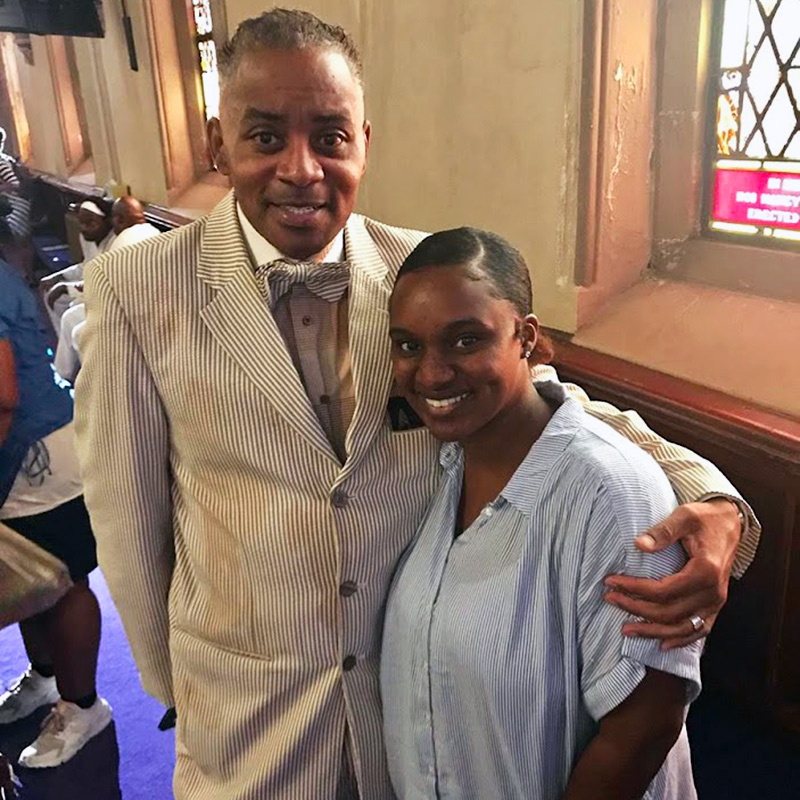
"My recipient is the father of triplets. I thought every kid needs their dad. Saving a life really does change more than one person's life."
- Briana Edler-Strand - Living Kidney Donor
Donor Families Reflect on the Gift of Life
In this video, families speak from the heart about the decisions they faced during deeply emotional moments. We’re grateful for their honesty and hope their stories bring clarity and compassion to those considering donation for a loved one.