Participa
Divulgación de la fe
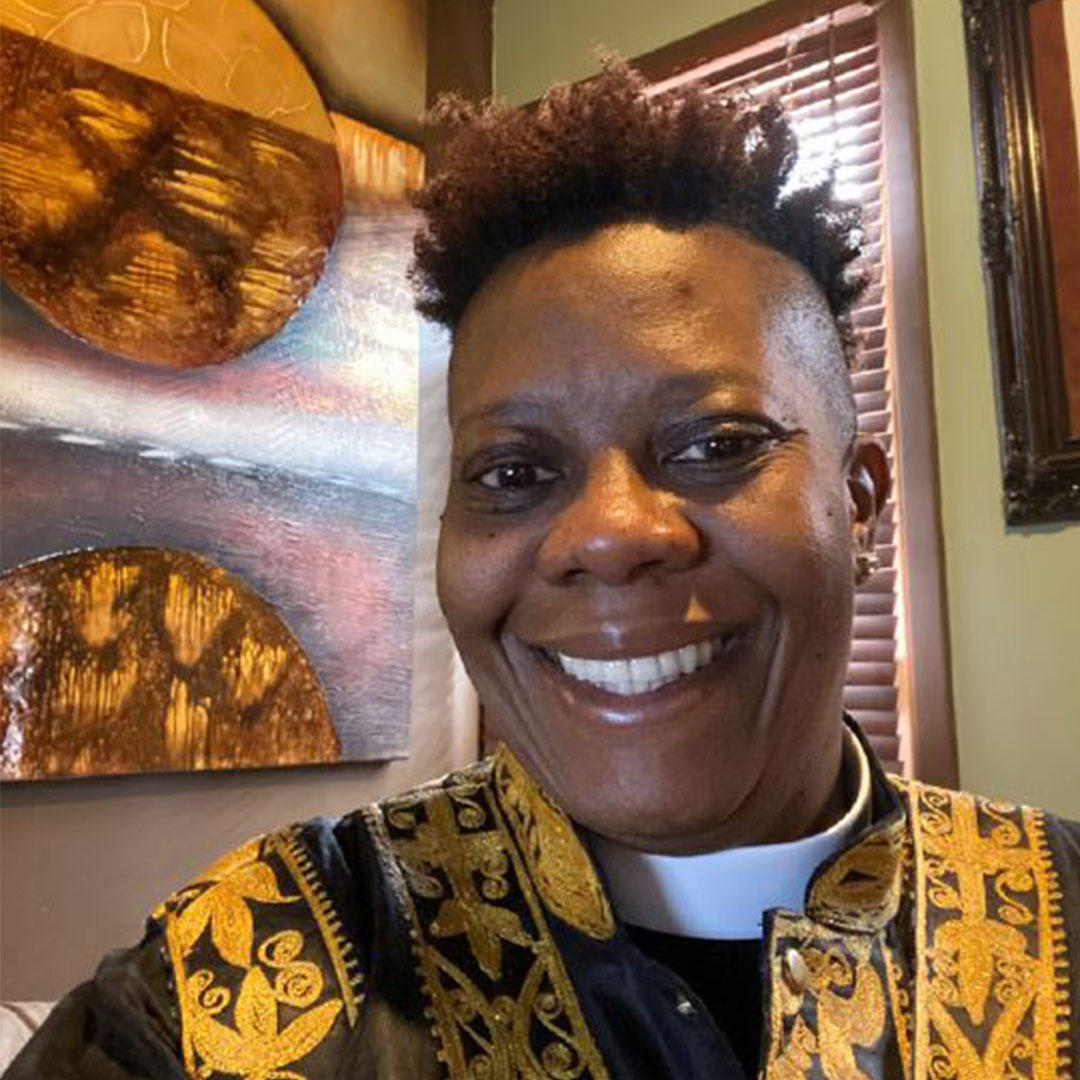
«El mayor amor que puedes dar a alguien es regalarle la vida».
La reverenda Dra. Vanessa M. Brown
Ríos de agua viva
Newark, Nueva Jersey
Un acto desinteresado de caridad y amor
A la hora de abordar cuestiones relacionadas con la vida y la muerte, como la donación de órganos y tejidos, muchas personas suelen acudir a sus líderes religiosos en busca de orientación espiritual y para conocer el punto de vista de su fe.
Afortunadamente, prácticamente todas las principales religiones del mundo mantienen posturas oficiales que valoran positivamente la donación de órganos y tejidos como un gesto sin igual de generosidad y compasión. Incluso en los casos en que una religión concreta no haya expresado una postura definitiva sobre la donación, se respeta la libertad de la persona (o de su familia) para decidir por sí misma.
NJ Sharing Network tiene la gran suerte de contar con socios sólidos en las comunidades religiosas locales que respaldan su misión de salvar vidas. Los líderes religiosos y los fieles devotos de diversas religiones de todo el estado han manifestado su apoyo a la donación de órganos y tejidos.
¿Qué dice tu religión sobre la donación?
AME y AME Zion
Estas confesiones religiosas consideran la donación como un acto de amor al prójimo y de caridad. Animan a todos sus miembros a apoyar la donación como una forma de ayudar a los demás.
Amish
Los amish aceptarán un trasplante si consideran que es por el bien del receptor. John Hostetler, autoridad de renombre mundial en la religión amish y catedrático de antropología en la Universidad de Temple, en Filadelfia, afirma en su libro *Amish Society*: «Los amish creen que, dado que Dios creó el cuerpo humano, es Dios quien cura. Sin embargo, nada en la interpretación que los amish hacen de la Biblia les prohíbe recurrir a los servicios médicos modernos, incluyendo la cirugía, la hospitalización, los tratamientos dentales, la anestesia, las transfusiones de sangre o la vacunación».
Asamblea de Dios
La decisión de hacer una donación depende de cada persona. La denominación apoya firmemente las donaciones.
Bahá'í
La fe bahá'í considera que los trasplantes son aceptables si los prescriben las autoridades médicas, y se permite a los creyentes donar sus cuerpos con fines de investigación y de restauración.
bautista
Aunque los bautistas suelen considerar que la donación y el trasplante de órganos y tejidos son, en última instancia, cuestiones de conciencia personal, la denominación protestante más grande del país, la Convención Bautista del Sur, aprobó en 1988 una resolución en la que se animaba a los médicos a solicitar la donación de órganos en las circunstancias adecuadas y a «…fomentar el voluntariado en materia de donación de órganos, con un espíritu de administración responsable, compasión por las necesidades de los demás y alivio del sufrimiento». Otros grupos bautistas han apoyado la donación de órganos y tejidos como un acto de caridad y dejan la decisión de donar en manos de cada persona.
Budismo
La donación de órganos y tejidos se considera una decisión personal. El budismo no fomenta ni prohíbe la donación, pero si una persona decide convertirse en donante de órganos, esto se elogia ampliamente como un acto de compasión. En el caso dela donación post mortem, el proceso de la muerte es un momento importante y muy respetado para los budistas, y las peticiones del difunto tienen prioridad.
Catolicismo
La donación de órganos, ojos y tejidos es un acto de bondad aceptable en la Iglesia Católica Romana.La donación se considera un acto de caridad y amor, según el papa Juan Pablo II en *Evangelium Vitae*, n.º 86.
Ortodoxa copta
La donación de órganos se considera un acto de caridad, amor fraternal y abnegación. La Iglesia anima a los cristianos a inscribirse como donantes de órganos por si se produjera una muerte repentina y accidental, en cuyo caso sus valiosos órganos podrían salvar la vida de otra persona.
«La máxima expresión del amor se manifiesta cuando uno se sacrifica por los demás: “Nadie tiene mayor amor que el que da su vida por sus amigos” (Jn 15, 13). Por lo tanto, aunque al ser humano no se le permite vender sus órganos con fines lucrativos, donar uno de ellos para salvar la vida de un paciente es un acto noble».
—Diócesis Ortodoxa Copta de Los Ángeles, el Sur de California y Hawái
Ciencia Cristiana
La Iglesia de Cristo Científico no tiene una postura concreta respecto a la donación de órganos. Según la Primera Iglesia de Cristo Científico de Boston, los científicos cristianos suelen recurrir a medios espirituales en lugar de médicos para curarse. No obstante, son libres de elegir cualquier tipo de tratamiento médico que deseen, incluido un trasplante. La cuestión de la donación de órganos y tejidos es una decisión individual.
Discípulos de Cristo
La Iglesia Cristiana acepta y promueve activamente la donación de órganos y tejidos. En 1985, la Asamblea General aprobó la «Resolución n.º 8548 sobre los trasplantes de órganos», que animaba a los feligreses a inscribirse como donantes de órganos y a apoyar a los receptores de trasplantes mediante la oración.
Episcopal
La Iglesia Episcopal fomenta la donación de órganos. La 70.ª Convención General aprobó la «Resolución n.º 1991-A097: Instar a los miembros a que consideren la posibilidad de donar órganos», en la que se recomendaba a los miembros que donaran sus órganos tras su fallecimiento para que otras personas pudieran vivir. La Iglesia también insta a los miembros a que comuniquen claramente su decisión a sus familiares, amigos, a la Iglesia y a su abogado.
Iglesia Evangélica Luterana de Estados Unidos
No existe ninguna ley eclesiástica ni motivo teológico que impida a los cristianos luteranos decidir ser donantes de órganos, y la promesa de Dios de resucitar a los muertos no se ve comprometida por la donación de órganos.
Iglesia Evangélica del Pacto
La Iglesia Evangélica del Pacto acepta y fomenta la donación de órganos. Desde la aprobación de la Resolución sobre la donación de órganos en 1982, se anima a los miembros de la Iglesia aque registren su decisión de ser donantes. Se anima a los líderes religiosos, especialmente a los educadores, a quepromuevan la concienciación sobre la donación de órganosen todas las congregaciones evangélicas.
Iglesia Evangélica Luterana de Estados Unidos
No existe ninguna ley eclesiástica ni motivo teológico que impida a los cristianos luteranos decidir ser donantes de órganos, y la promesa de Dios de resucitar a los muertos no se ve comprometida por la donación de órganos.
Ortodoxa griega
Según el reverendo Dr. Milton Efthimiou, director del Departamento de Iglesia y Sociedad de la Iglesia Ortodoxa Griega de América del Norte y del Sur, «la Iglesia Ortodoxa Griega no se opone a la donación de órganos siempre y cuando los órganos y tejidos en cuestión se utilicen para mejorar la vida humana, es decir, para trasplantes o para investigaciones que conduzcan a mejoras en el tratamiento y la prevención de enfermedades».
Hinduismo
Según la Sociedad de Templos Hindúes de Norteamérica, la ley religiosa no prohíbe la donación de órganos. La donación se considera una decisión personal. Existen numerosas referencias en las escrituras hindúes que respaldan la donación de órganos. «Daan» es la palabra original en sánscrito para «donación», que significa «dar desinteresadamente». Además, ocupa el tercer lugar en la lista de los diez Niyamas (actos virtuosos). La vida después de la muerte es una creencia firmemente arraigada entre los hindúes y se entiende como un proceso continuo de renacimiento.
Islam
En 2019, el Consejo de Fiqh de Norteamérica (FCNA) anunció quela donación y el trasplante de órganos están permitidos dentro de la fe islámica y entre los musulmanes estadounidenses, estableciendo así una norma religiosa clara para los musulmanes que viven en Norteamérica. La donación de órganos está permitida en la fe islámica siempre que se cumplan las directrices de la sharia y se adopten medidas para proteger la dignidad humana.La donación en vidaestá permitida con el fin de mantener con vida al receptor o de preservar intacta una función esencial de su organismo. En el caso dela donación post mortem, el permiso debe ser otorgado por el fallecido antes de su muerte o por sus herederos tras su fallecimiento.
Janismo
En el jainismo, la compasión y la caridad se consideran virtudes fundamentales. La donación de órganos ha contado con un amplio apoyo por parte de los líderes y monjes de la comunidad jainista.
Testigo de Jehová
La donación es una decisión personal. Los Testigos de Jehová sí permiten los trasplantes siempre que se haya extraído la sangre del órgano. En todo el mundo hay más de 90 000 médicos que han manifestado su disposición a tratar a los Testigos de Jehová sin recurrir a la sangre.
Judaísmo
La fe judía fomenta la donación de órganos, ojos y tejidos. La donación y el trasplante no profanan el cuerpo ni suponen una falta de respeto hacia los fallecidos, y cualquier retraso en el entierro para facilitar la donación de órganos es una muestra de respeto hacia el difunto. La donación de órganos salva vidas y honra a los fallecidos. El Comité de Leyes y Normas Judías del Movimiento Conservador ha declarado que las donaciones de órganos tras la muerte no solo representan un acto de bondad, sino que también son una «obligación prescrita» que salva vidas humanas.
Iglesia luterana
La donación de órganos está permitida y se fomenta en la Iglesia Luterana. Según la resolución de la Iglesia de 1984, titulada «Donación de órganos: una resolución de la Iglesia Luterana en América», la donación contribuye al bienestar de la humanidad y es una expresión de amor hacia el prójimo necesitado. La Iglesia Luterana anima a sus miembros a adoptar las medidas legales necesarias en el ámbito familiar, incluidala inscripción como donante.
menonita
Los menonitas no tienen una postura oficial sobre la donación, pero no se oponen a ella. Creen que la decisión de donar corresponde a la persona y/o a su familia.
(Mormona) Iglesia de Jesucristo de los Santos de los Últimos Días
La Iglesia de Jesucristo de los Santos de los Últimos Días permite la donación de órganos y tejidos. La donación se considera un acto desinteresado que reporta un gran beneficio médico a los receptores. La decisión de donar órganos u otros tejidos recae en la propia persona o en la familia del donante fallecido.
pentecostal
Los pentecostales creen que la decisión de hacer una donación debe dejarse en manos de cada persona.
Presbiteriano
La Iglesia Presbiteriana fomenta la donación de órganos, pero la decisión de donar depende de cada persona y de lo que quiera hacer con su cuerpo. La Iglesia Presbiteriana (EE. UU.) animó a todos los cristianos a convertirse en donantes de órganos y tejidos en su Asamblea General de 1983, como un acto de servicio al prójimo.
Adventista del Séptimo Día
Se recomienda encarecidamente la donación y el trasplante.
sij
La filosofía y las enseñanzas sij defienden la importancia de dar y anteponer a los demás a uno mismo. El seva (el acto de servicio desinteresado, dar sin buscar recompensa ni reconocimiento) constituye la esencia de ser sij. El seva también puede consistir en donar un órgano a otra persona: el sijismo no considera tabú la donación y el trasplante de órganos, y subraya que salvar una vida humana es una de las cosas más nobles que se pueden hacer. Los sijs también creen que el cuerpo no necesita todos sus órganos en el momento de la muerte ni después de ella.
Convención Bautista del Sur
La Convención Bautista del Sur considera que la donación de órganos es un acto de responsabilidad y compasión que alivia el sufrimiento ajeno. En su resolución de 1988, titulada «Resolución sobre la donación de órganos humanos», la Convención determinó que la resurrección no depende de la integridad del cuerpo.
Unitario Universalista
La donación cuenta con un amplio apoyo y se considera un acto de amor y generosidad.
Metodista Unida
La Iglesia Metodista Unida fomenta la donación de órganos y tejidos. En su resolución del año 2000, la «Resolución n.º 139», la Iglesia promovió la celebración del«Sábado Nacional del Donante» como otra forma en que sus miembros pueden ayudar a salvar vidas.